
8x10 Large Format Film Photography
8×10 Large Format Film Photography
Detailed | Grand | Revered
Hand-Crafted. Process-Driven. Never AI.
Craig Fouché Photography embraces the 8×10 format as one of photography’s finest traditional processes, creating handcrafted negatives whose tonal richness and presence continue to define the highest standards of analogue image-making. The 8×10 format occupies a revered place in the world of film photography — a true benchmark of craftsmanship and visual fidelity. Known as the workhorse of Ultra Large Format (ULF) practice, the 8×10 negative captures an extraordinary level of tonal nuance, depth, and dimensionality. Each sheet of film represents both challenge and reward, demanding patience, skill, and complete immersion in the process.
A Dialogue Between Light and Patience
The act of creating an 8×10 photograph is as much meditative as it is technical. The camera’s physical presence commands respect — heavy, deliberate, and slow to master. Every element, from focusing on the ground glass to loading the film holder, requires careful orchestration. There are no second chances, no conveniences of automation. Composing through the inverted image on the ground glass feels like entering another world — one where light and shadow converse quietly, and time itself seems to hold its breath.
Each exposure becomes an event — deliberate, considered, and utterly human. The result is a negative rich with depth, capable of rendering landscapes, architectural studies, and portraits with an almost sculptural realism.
The Black-and-White Trinity
For my 8×10 work, I continue to rely on a trio of Ilford films: FP4, HP5, and Delta 100. Each offers a distinct visual character suited to different moods and conditions.
-
FP4 brings a luminous tonal range and timeless grain structure, ideal for expansive light and open skies.
-
HP5 reveals strength in contrast and shadow, excelling in atmospheric or low-light conditions.
-
Delta 100 is the epitome of precision, with fine grain and unparalleled clarity for intricate compositions.
These emulsions translate the landscapes of South Africa and the broader Southern African region into black-and-white studies of structure, silence, and scale — visual meditations on place and permanence.
My other film stock choices lean towards Bergger Pancro 400, Fomopan and Kodak TMax.
The Essence of Monochrome
While colour film remains available for 8×10, the monochrome process continues to define this format’s aesthetic power. In the absence of colour, the eye is drawn to tone, form, and the subtle choreography of light. Each image becomes less a record of a moment than a sculpted interpretation of it. The 8×10 negative holds a presence that digital sensors simply cannot replicate — an organic, tactile quality born of light meeting chemistry on a grand scale.
Kodak is my primary film stock choice, particularly Ektar and Portra, I don’t shoot much Ektachrome E100. Unfortunately we have lost the legendary Fuji Velvia 50 in large format.
Foundation Of The ULF Tradition
In many ways, 8×10 stands as the gateway to the panoramic world of 7×17 and beyond. It offers balance — grandeur without distortion, intimacy within expanse. The resulting prints convey an authenticity and tonal depth that define traditional fine art photography. Each frame embodies the discipline of the craft, bridging the precision of engineering with the sensitivity of art.
My 8×10 work continues the vision of Craig Fouché Photography — to capture the enduring beauty of Southern Africa through slow, intentional methods. These photographs are more than images; they are hand-crafted interpretations of land and light, created with purpose and permanence.
Respecting the Process
The 8×10 format taught me that great photography isn’t measured by the number of images you make, but by the care you invest in each one. Every sheet of film asks for complete attention—from composing beneath the dark cloth to making the final exposure. Nothing happens by accident, and that is precisely what makes the process so deeply rewarding.
Working with 8×10 has strengthened my appreciation for craftsmanship in its purest form. The camera asks for patience, the film rewards precision, and the finished negative carries a presence that reminds me why analogue photography continues to matter. It isn’t simply about creating an image; it’s about experiencing every stage of its creation with intention.
Film is not a relic. It’s a living medium—and in a world of automation and artificiality, it stands as a quiet rebellion.
Film is still very much alive. And so is the craft.
Explore the Collection
Discover the Fine Art Film Collection — a curated body of work that invites viewers and collectors alike to experience the grandeur of Africa’s landscapes through the expansive lens of medium & large format film.
Film is not a relic. It’s a living medium — and in a world of automation and artificiality, it stands as a quiet rebellion.
Film is still very much alive. And so is the craft.
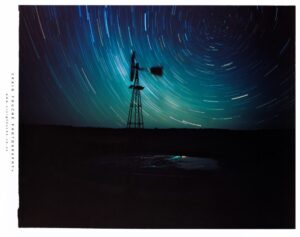
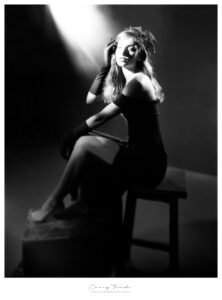
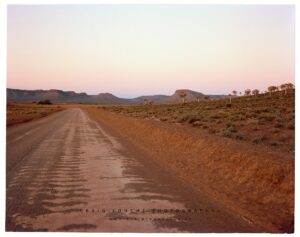
8×10 FILM GALLERY

MORE ON 35MM FORMAT FILM

35mm
MORE ON MEDIUM FORMAT FILM

4×4
645
6×6
6×7

6×8
6×9
6×12

6×17
MORE ON LARGE FORMAT FILM
4×5
4×10
5×7
MORE ON ULTRA LARGE FORMAT FILM
7×17